How to Improve Patient Adherence in Ghanaian Community Pharmacies

In Ghana, the role of pharmacies extends far beyond simply dispensing medication. They are key players in ensuring that patients not only receive the medications they need but also take them as prescribed.
Yet, one of the biggest challenges faced by pharmacists across the country is improving patient adherence—that is, ensuring that patients consistently take their medications as directed.
Non-adherence to medication is a widespread issue that affects patient outcomes and puts a strain on healthcare systems.
Whether it’s missing doses, stopping medications too early, or not filling prescriptions at all, medication non-compliance can lead to serious health complications.
For pharmacies in Ghana, finding effective ways to engage patients and encourage adherence is critical.
In this article, we’ll explore some common challenges pharmacies face regarding patient adherence and look at how pharmacy software for patient engagement, like RxKonet’s automated refill reminders, can help.
We will also provide practical tips for improving patient adherence and reducing non-compliance.
Common Challenges with Patient Adherence in Ghana
Before we delve into solutions, it’s essential to understand the barriers that contribute to poor medication adherence in Ghanaian pharmacies.
These issues are often multifaceted and can stem from economic, social, and healthcare-related factors.
1. Lack of Health Literacy
A significant number of patients in Ghana struggle with understanding their health conditions and the importance of adhering to prescribed medications.
Some may not fully grasp the consequences of missing doses, leading to complacency. Others may believe that if they start to feel better, there’s no need to continue taking their medication.
This lack of knowledge can be a significant hurdle for pharmacies trying to ensure adherence.
2. High Medication Costs
Ghana, like many developing nations, faces economic constraints that affect access to healthcare.
Many patients, especially those without insurance, struggle to afford the full course of their medication, leading them to skip doses or abandon treatment altogether.
Medication non-adherence due to financial hardship is a particularly serious issue, as it disproportionately affects low-income patients.
3. Forgetting to Refill Prescriptions
Life is hectic, and it’s easy for patients to forget to refill their prescriptions, especially for chronic conditions that require long-term medication.
For many Ghanaians who live in rural areas or far from pharmacies, making a trip to refill a prescription can be inconvenient and time-consuming, adding another layer of difficulty in maintaining consistent medication adherence.
4. Cultural Beliefs
Traditional medicine plays an important role in Ghanaian culture, and some patients may rely more on herbal remedies than prescribed medications.
This preference for traditional treatments can lead to patients abandoning prescribed treatments, particularly when they believe these remedies are more aligned with their values and experiences.
How Digital Tools Can Help Improve Patient Adherence
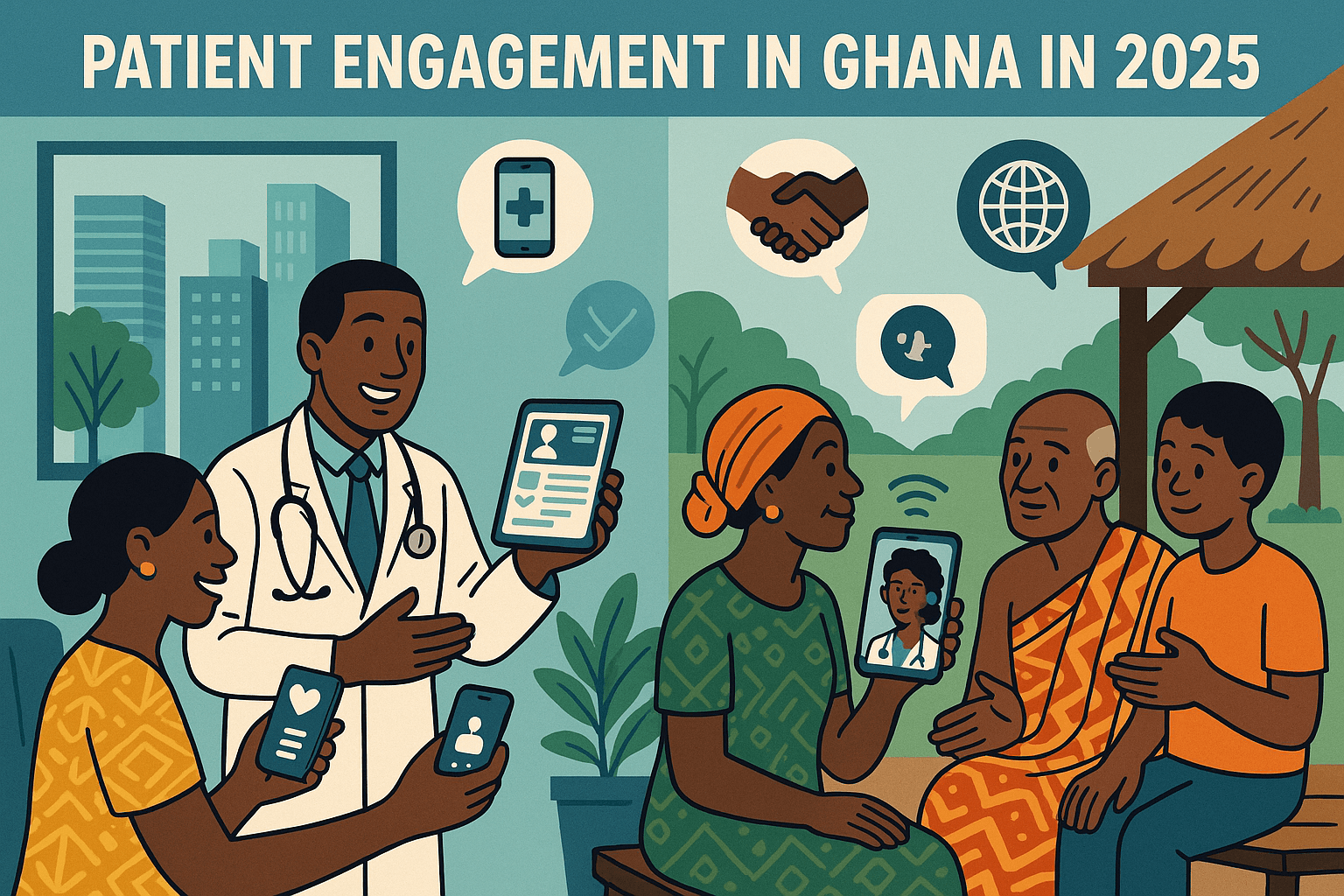
In an increasingly digital world, technology is providing new solutions to age-old problems like medication non-adherence.
Pharmacy software for patient engagement is one such solution, and tools like RxKonet’s automated refill reminders are making a difference in helping patients stick to their medication schedules.
Let’s explore how digital tools can address some of the challenges mentioned earlier.
1. Automated Refill Reminders
One of the simplest and most effective ways to improve patient adherence is through automated refill reminders.
Many patients genuinely forget to refill their medications, and a simple reminder via SMS, email, or a phone call can significantly boost adherence rates.
RxKonet, for example, allows pharmacies to send out automated reminders when it’s time for patients to renew their prescriptions, making it easier for them to stay on track.
2. Personalized Medication Schedules
Pharmacy software can also create personalized medication schedules for patients, especially those with complex treatment regimens.
These digital schedules can be shared with patients via mobile apps or text messages, making it easier for them to follow their prescribed routine.
The use of digital tools to organize and track medication use can go a long way in reducing confusion and ensuring that patients take their medications correctly.
3. Patient Education through Digital Platforms
To combat the challenge of low health literacy, pharmacies can utilize digital platforms to offer educational content.
With software like RxKonet, pharmacists can send patients customized messages with important information about their medications, including why it’s essential to adhere to the prescribed regimen, how to take the medication, and what to do if they miss a dose.
By improving patients’ understanding of their treatment, pharmacies can foster better adherence.
Tips for Improving Patient Adherence in Ghanaian Pharmacies
While digital tools like RxKonet’s automated refill reminders offer a fantastic solution, pharmacies can also adopt additional strategies to improve patient adherence.
Here are some practical tips for pharmacists in Ghana:
1. Build Strong Patient Relationships
A good relationship between pharmacists and patients can make a world of difference.
Pharmacists who take the time to engage with their patients, explain the importance of adherence, and address any concerns they may have are more likely to see improved compliance.
Regular follow-ups, whether in person or through phone calls, can help build trust and encourage patients to stick to their treatment plans.
2. Simplify Medication Regimens
Where possible, pharmacists should work with prescribers to simplify medication regimens.
For example, switching patients from medications that require multiple daily doses to once-daily options can make it easier for them to stay compliant.
Reducing the number of pills or dosing times can help patients feel less overwhelmed and more likely to adhere to their treatment.
3. Offer Medication Packaging Solutions
Innovative packaging solutions, such as blister packs or medication strips, can make it easier for patients to follow their prescribed schedules.
These packaging options can be especially helpful for elderly patients or those taking multiple medications, as they provide a clear visual reminder of when and how much to take.
4. Promote the Use of Insurance and Subsidy Programs
To address the financial challenges many patients face, pharmacies should actively promote the use of National Health Insurance Scheme (NHIS) coverage or other subsidy programs.
By educating patients about their options for reducing out-of-pocket expenses, pharmacies can help alleviate the economic burden and improve adherence rates.
5. Leverage Community Engagement
Ghana has a strong sense of community, and pharmacies can tap into this by organizing community outreach programs.
Partnering with local clinics, churches, and schools to run health education workshops can improve awareness around the importance of medication adherence.
These community-driven initiatives can make patients feel more supported in their healthcare journey.
Conclusion
Improving patient adherence in Ghanaian pharmacies requires a multi-faceted approach.
While challenges such as low health literacy, high medication costs, and forgetfulness pose significant hurdles, digital tools like RxKonet’s automated refill reminders offer practical and efficient solutions to enhance patient engagement and medication compliance.
By leveraging these technologies alongside personalized care and community involvement, Ghanaian pharmacies can play a pivotal role in ensuring better health outcomes for their patients.
Ultimately, improving patient adherence is not just about making sure patients take their medications on time—it’s about empowering them to take control of their health.
With the right strategies and tools in place, Ghanaian pharmacies can lead the way in promoting better adherence and, in turn, improving the well-being of communities across the country.
Ready to transform your pharmacy into a modern health hub that your patients trust and rely on? Join the RxKonet revolution today and set your pharmacy up for long-term success in Ghana’s growing healthcare market.