Patient Engagement: Transforming African Healthcare

Search for a command to run...
No comments yet. Be the first to comment.
Ghana's healthcare landscape has undergone remarkable transformation since the global pandemic reshaped how we think about patient care. As we reach the midpoint of 2025, it's time to take an honest look at where we stand with patient engagement acro...
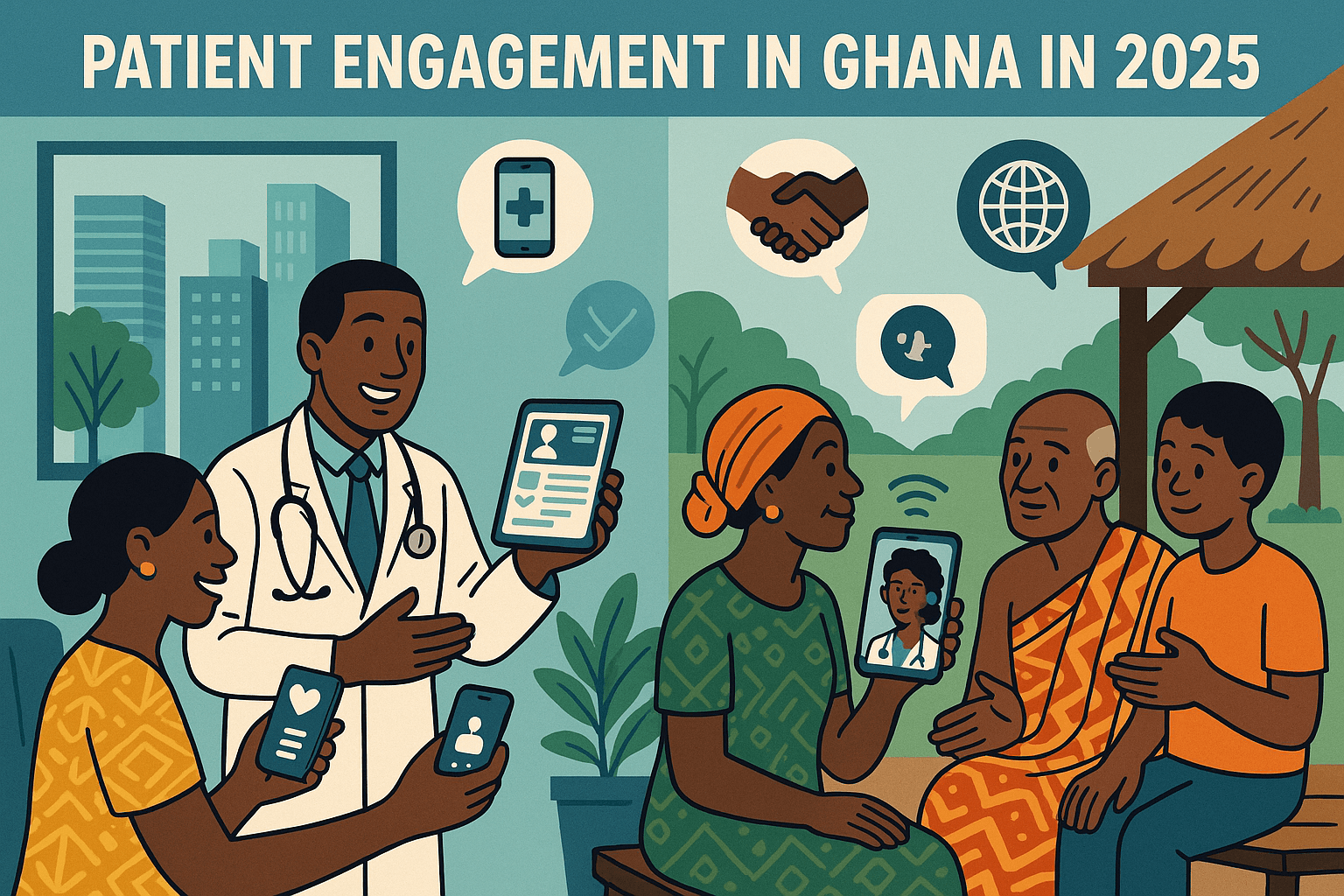
What are the primary patient-related barriers to active engagement in healthcare decisions? One significant barrier is deeply rooted in hierarchical cultural norms, particularly in some African societies, where the doctor's authority is largely unque...
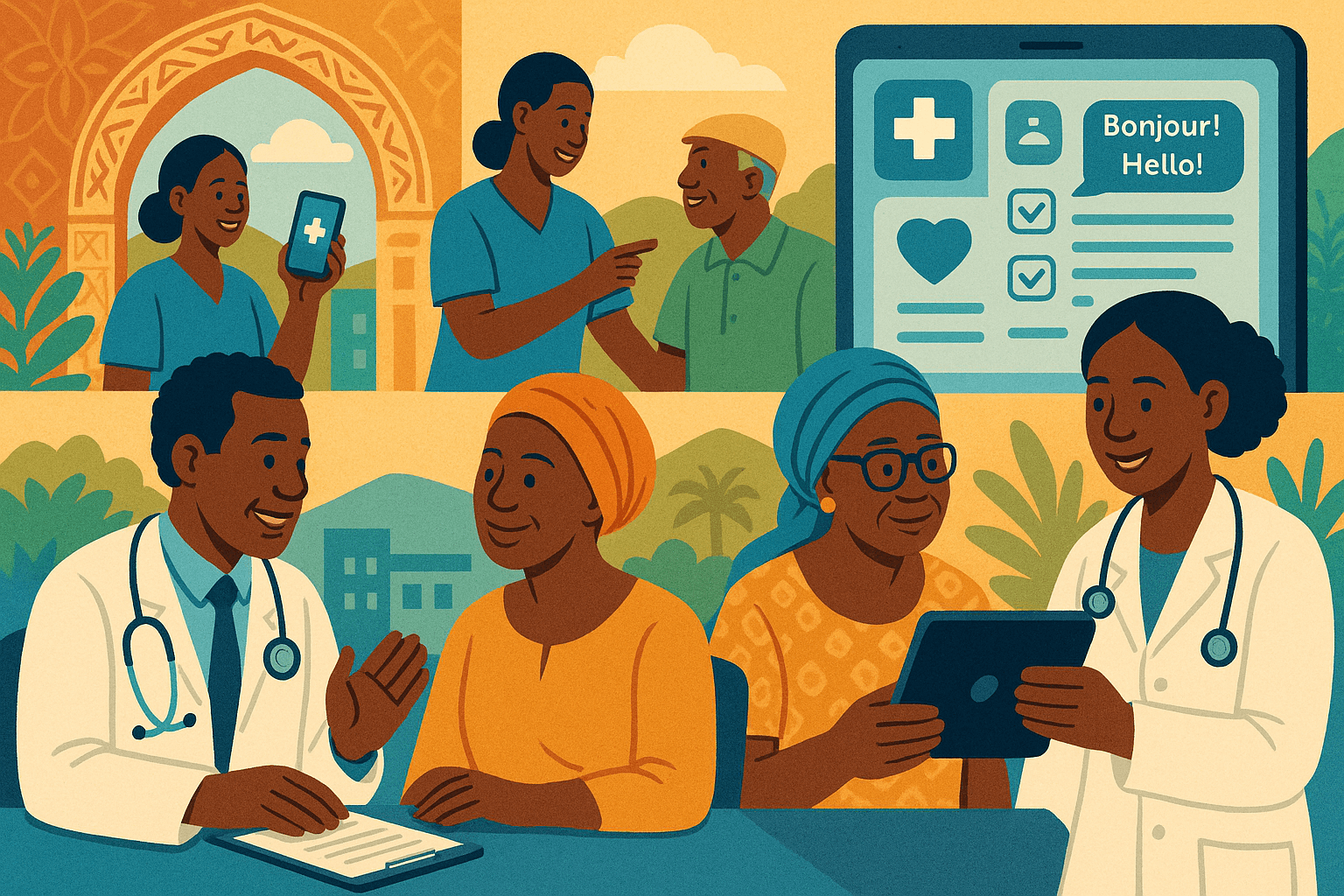
What are the primary technical and material barriers hindering the widespread adoption of digital health in Africa? The primary barriers to widespread digital health adoption in Africa are inadequate infrastructure, low digital literacy, and economic...
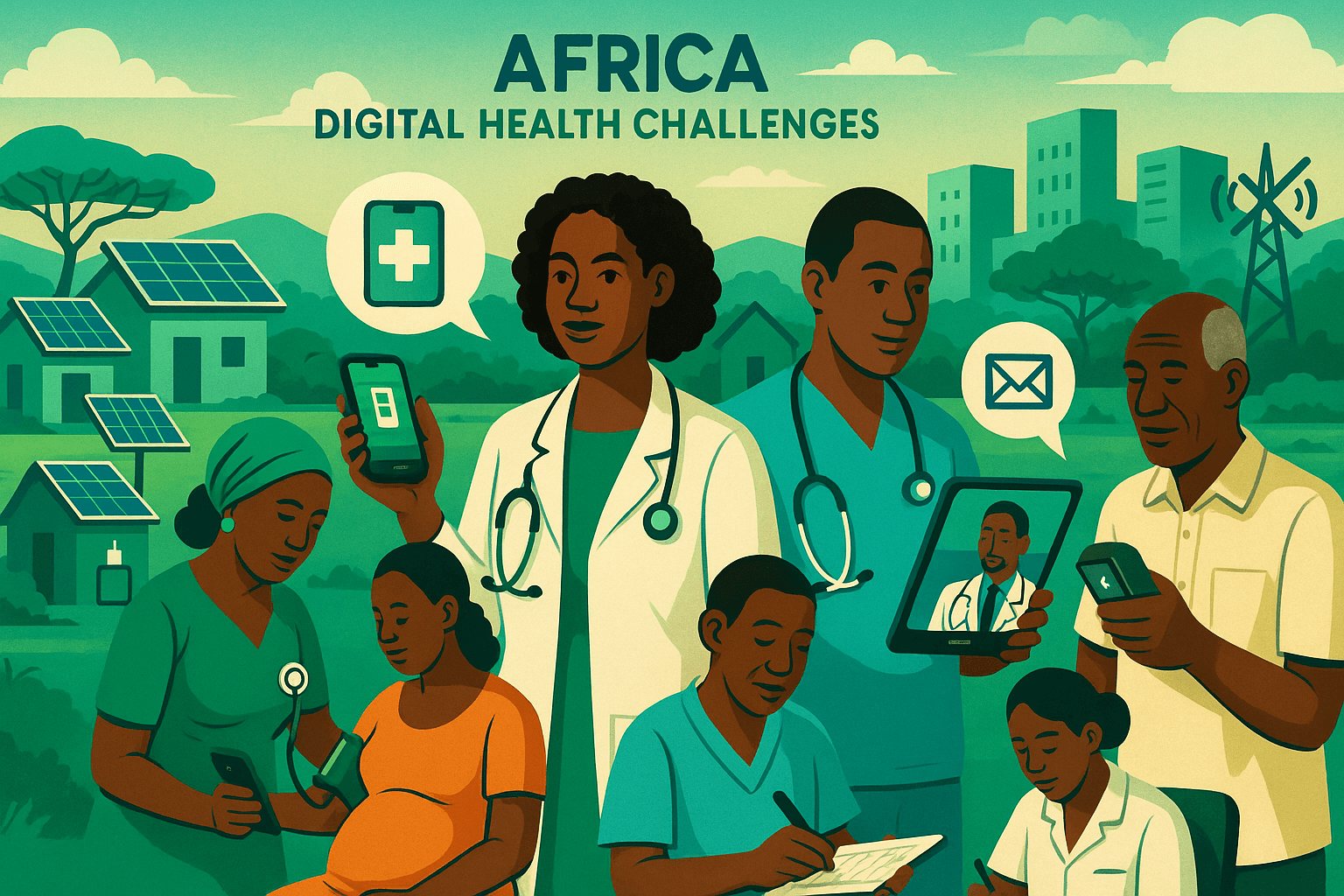
What is "mHealth" and why is it particularly relevant to Africa's healthcare development? mHealth refers to the practice of medicine and public health supported by mobile devices. It is particularly relevant to Africa's healthcare development due to ...
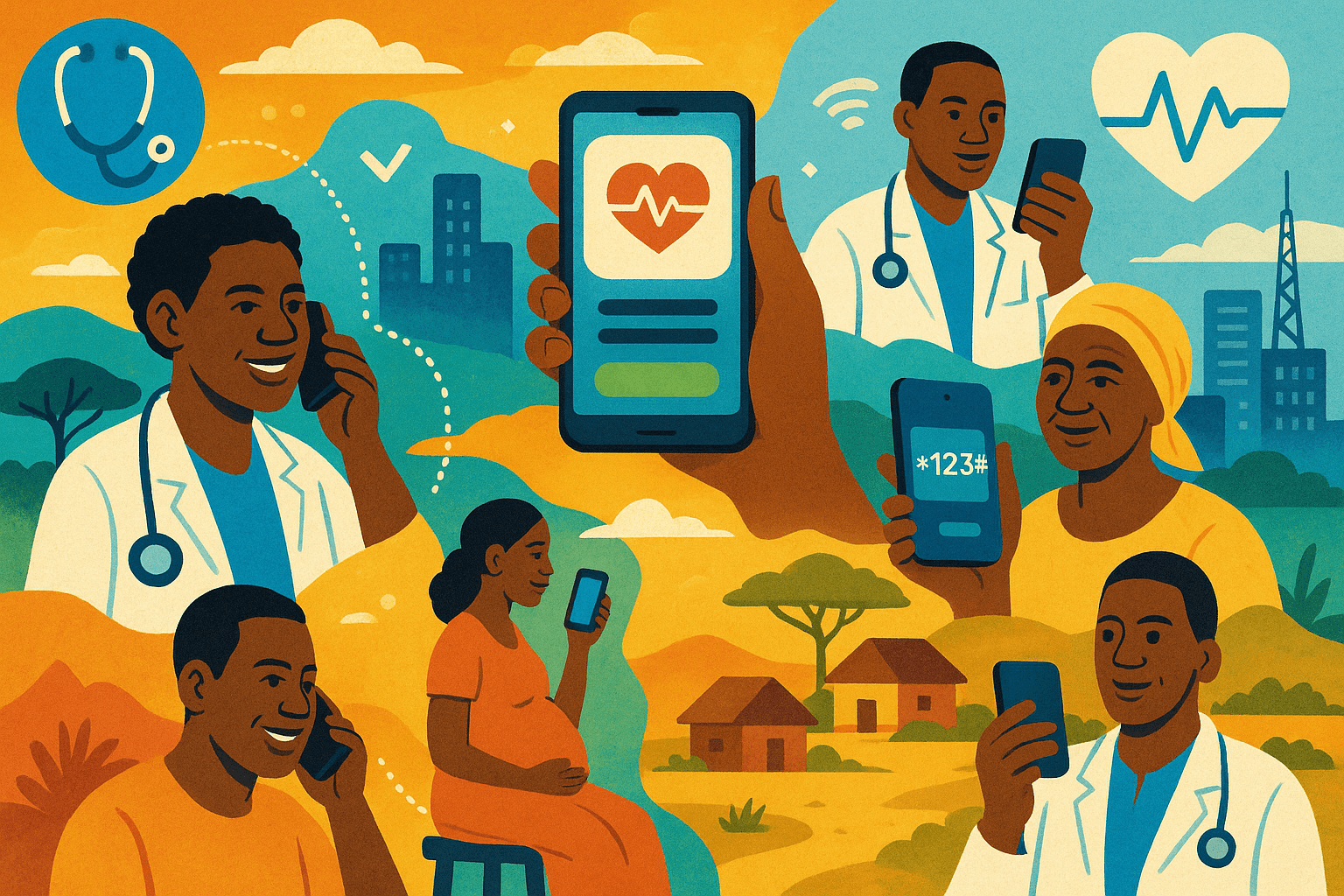
Rxkonet
26 posts
Patient engagement in African healthcare is rooted in Patient-Centered Care (PCC), which defines healthcare as being "respectful and responsive to individual patient preferences, needs, and values," with these values directly guiding clinical decisions.
It extends beyond the doctor-patient interaction to encompass the patient's entire journey within the healthcare system, integrating relationships, care provision, and system features to ensure effective communication, shared decision support, and timely access to care.
PCC is crucial for Africa due to a significant epidemiological shift. Non-communicable diseases (NCDs) like diabetes and hypertension are projected to be the leading cause of mortality and morbidity by 2030, necessitating a more active patient role in self-care and ongoing management.
With Africa's population expected to comprise 26% of the world's total by 2050, digitization and patient-centered approaches are essential to prepare for these evolving disease patterns, improve health outcomes, and enhance patient satisfaction.
Prioritizing PCC is seen as pivotal for creating effective, responsive, efficient, and sustainable healthcare systems across the continent.
When patients are actively engaged, they experience improved adherence to treatment and overall health outcomes.
This engagement leads to a reduction in the duration and severity of symptoms, along with associated decreases in treatment costs and re-admission rates.
Critically, patient engagement empowers patients, giving them a profound sense of authority and responsibility over their own health.
Patient engagement offers significant advantages for clinicians, including decreased medical errors and misdiagnoses, fostering greater compliance and trust in the healthcare relationship, and even enhancing medical research outcomes.
Physicians find that mHealth systems facilitating patient engagement can reduce their workload and improve overall healthcare quality.
Such systems also prevent information loss and enable reliable retrieval of patient data, streamlining their work.
Ultimately, PCC plays a vital role in reducing malpractice complaints and enhancing clinician satisfaction.
On a broader scale, patient engagement contributes to improved healthcare outcomes and the efficient allocation of resources, leading to higher cost-effectiveness for healthcare systems and communities.
In Sub-Saharan Africa, where healthcare systems are often heavily burdened, digitalization and patient engagement are considered crucial for survival.
They help to alleviate pressure, improve access, and streamline services. By addressing challenges related to inadequate healthcare, patient engagement is instrumental in narrowing the digital divide and ensuring that healthcare provision is effective, responsive, efficient, and sustainable for the future.
The rise of non-communicable diseases (NCDs) such as diabetes and hypertension in Africa fundamentally requires patients to take on a more active role in self-care and ongoing management.
Patient engagement is therefore essential to effectively manage these chronic conditions, as it empowers patients to adhere to treatment, understand their health, and participate in their long-term care, leading to improved outcomes and reduced symptom severity.
Digital health systems, particularly mHealth, play a significant role in facilitating patient engagement. For providers, these systems can reduce workload, improve the overall quality of healthcare, prevent the loss of information, and enable reliable retrieval of patient data, thereby streamlining their work.
On a systemic level, digitalization in conjunction with patient engagement is seen as crucial for the survival of burdened healthcare systems in Sub-Saharan Africa, helping to alleviate pressure, improve access, and streamline services.
The long-term vision for healthcare in Africa, as supported by patient engagement, is to create effective, responsive, efficient, and sustainable healthcare systems across the continent.
By preparing for evolving disease patterns, improving health outcomes, enhancing patient satisfaction, and efficiently allocating resources, patient engagement is instrumental in ensuring that healthcare provision can meet the needs of Africa's growing population and its changing epidemiological landscape, ultimately narrowing the digital divide and strengthening the entire healthcare infrastructure.