Africa's Digital Health: Policy, Partnerships, and Progress
Search for a command to run...
No comments yet. Be the first to comment.
Ghana's healthcare landscape has undergone remarkable transformation since the global pandemic reshaped how we think about patient care. As we reach the midpoint of 2025, it's time to take an honest look at where we stand with patient engagement acro...
What are the primary patient-related barriers to active engagement in healthcare decisions? One significant barrier is deeply rooted in hierarchical cultural norms, particularly in some African societies, where the doctor's authority is largely unque...
What is the core concept of patient engagement in African healthcare? Patient engagement in African healthcare is rooted in Patient-Centered Care (PCC), which defines healthcare as being "respectful and responsive to individual patient preferences, n...
What are the primary technical and material barriers hindering the widespread adoption of digital health in Africa? The primary barriers to widespread digital health adoption in Africa are inadequate infrastructure, low digital literacy, and economic...
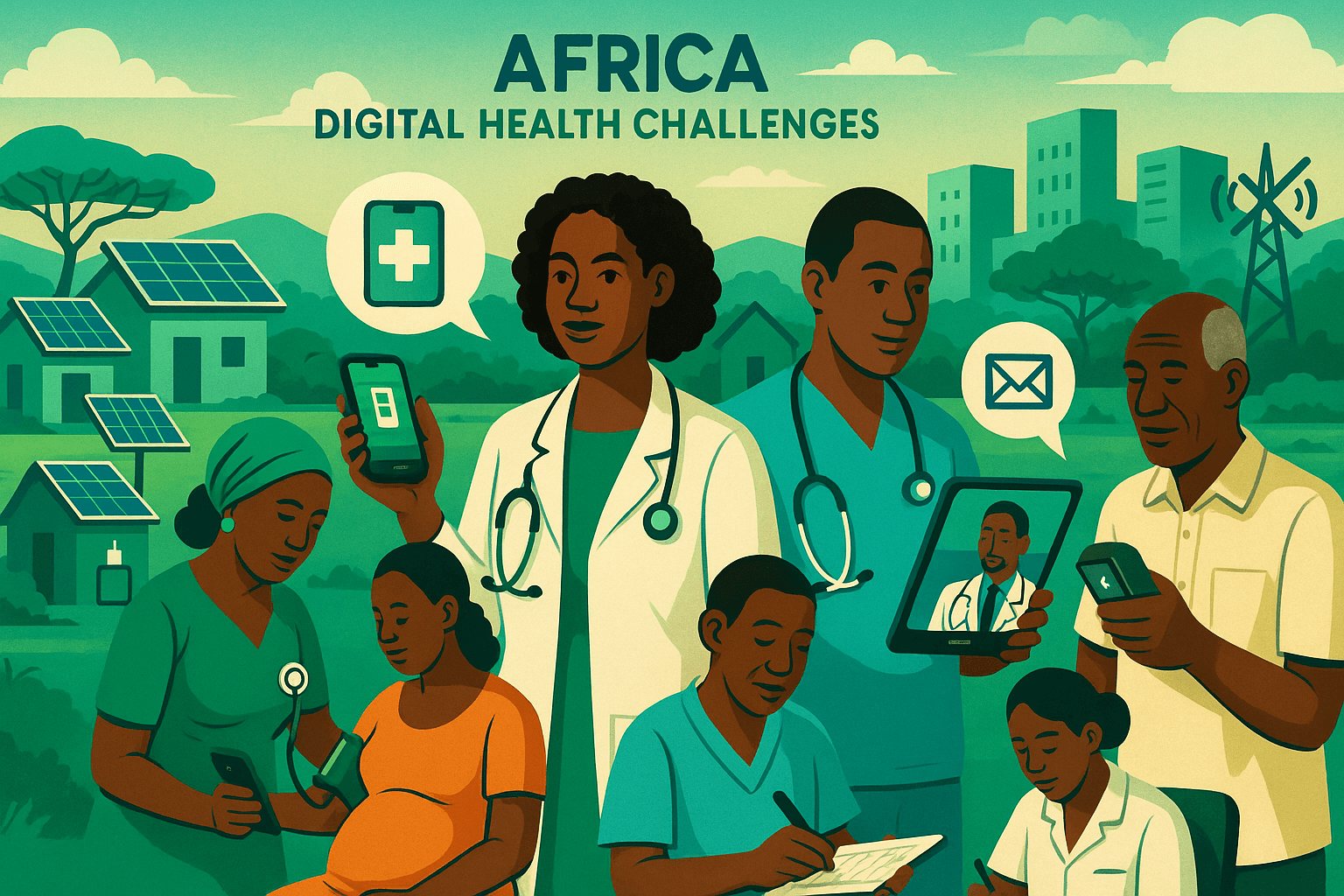
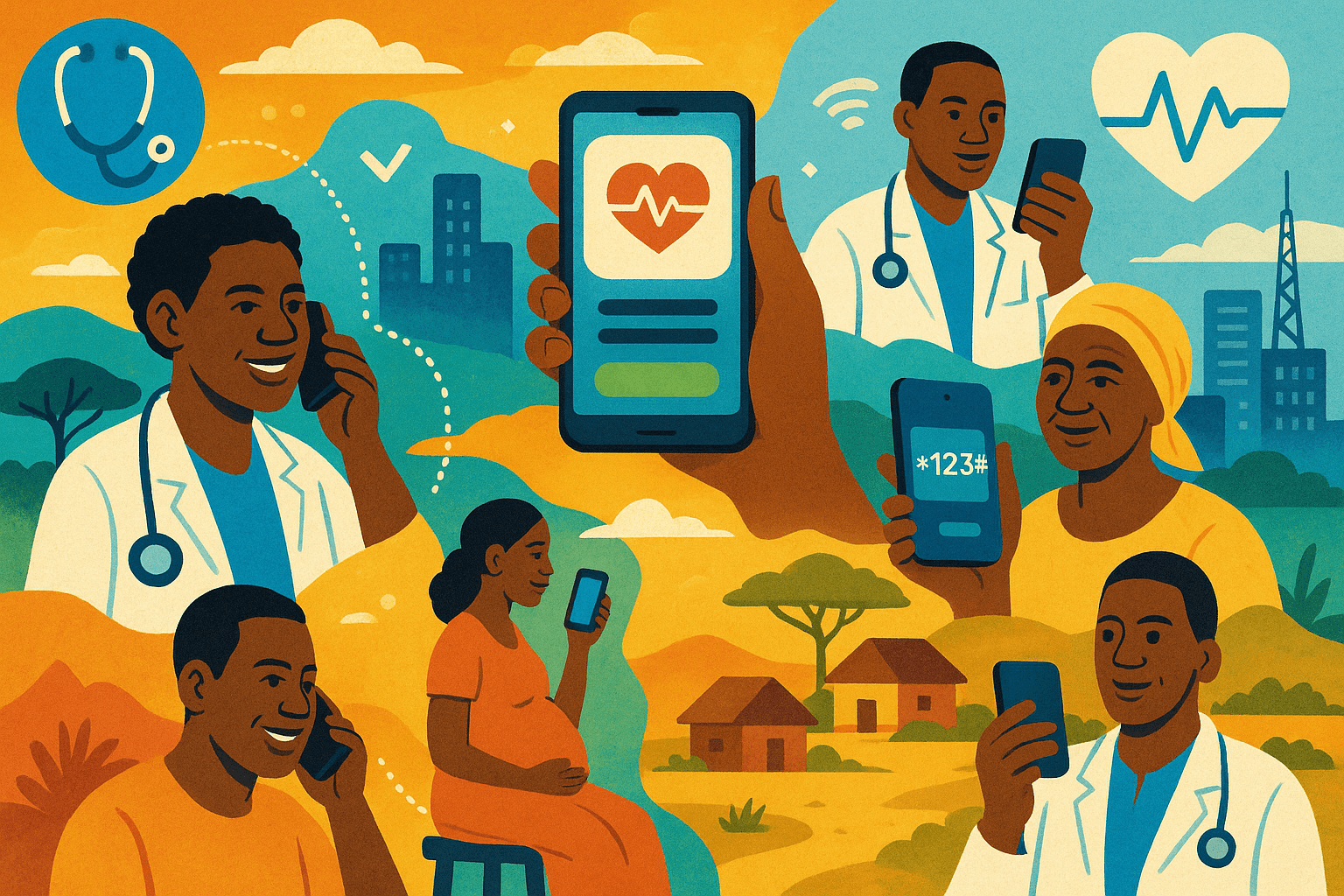
What is "mHealth" and why is it particularly relevant to Africa's healthcare development? mHealth refers to the practice of medicine and public health supported by mobile devices. It is particularly relevant to Africa's healthcare development due to ...
Rxkonet
26 posts
The adoption of telemedicine across Africa is significantly shaped by a nation's unique policies, digital infrastructure, and socio-economic realities.
For instance, Nigeria's telemedicine growth is largely concentrated in urban areas via mobile health, while Kenya focuses more on rural outreach. South Africa, in contrast, leverages digital health for specialist care, chronic disease management, and mental health support.
Challenges such as digital literacy, affordability, and inadequate infrastructure often exacerbate existing inequities. Socio-cultural factors also play a role, with skepticism towards remote consultations, gender-related barriers to access, and a strong reliance on traditional medicine in some communities hindering adoption.
A government's strategic plan to digitalize its healthcare system is a major enabler for mHealth adoption. Healthcare executives in Sub-Saharan Africa emphasize that digitalization is crucial for the survival of their heavily burdened healthcare systems, recognizing the immense contribution technology can make.
This commitment involves maximizing necessary infrastructure, including ICT and hardware/software resources. The growing societal familiarity with digital technologies like social media also creates a favorable environment.
The abundance of educated manpower specialized in technology further facilitates the development and implementation of tailored mHealth solutions. Rwanda serves as a prime example of strong government commitment to healthcare digitization.
The presence or absence of formal national telemedicine policies significantly impacts widespread adoption.
Countries like Nigeria and Kenya currently lack formal national telemedicine policies, leading to uncertainties regarding implementation, provider incentives, and issues like erratic internet connectivity and inadequate infrastructure.
South Africa, while having a relatively stronger and evolving regulatory framework with existing telemedicine policies and professional guidelines (e.g., from HPCSA), still faces gaps that hinder full-scale implementation.
Generally, regulatory gaps across the continent complicate implementation, leading to barriers for accessing telemedicine, especially for women in low-resource settings seeking reproductive health services.
Furthermore, while many African countries have data protection laws, these often fall short of international human rights standards and lack clear oversight and redress mechanisms, with only about half having adopted such laws.
Public-Private Partnerships (PPPs) are instrumental in fostering a supportive environment for telemedicine and mHealth.
They accelerate investment in digital health infrastructure and service delivery, particularly because private sector funding is often greater than public sector funding in the initial project phases.
PPPs are vital for mobilizing private capital without overwhelming public finances, by clearly delineating responsibilities and spreading risk, much like in the development of telecommunication infrastructure.
Governments retain regulatory control, making these partnerships essential for dynamic tech innovation and progress.
Systemic risks associated with outside investments in African digital health include political instability and potential asset seizure.
International organizations can mitigate these risks by conducting independent due diligence, shaping contracts, and purchasing insurance to spread risk.
Building strong partnerships with local organizations and governments, demonstrating a commitment to local community development, and remaining informed and flexible in investment strategies (e.g., diversifying where possible) are also crucial.
Both private and public sectors must collaborate to secure adequate funding and synchronize the pace of innovation with a country's readiness.
Private sector actions include demonstrating the value of digital solutions, offering capacity building to public sector employees, and mobilizing finance from long-term investors.
Public sector actions involve establishing supportive policy and regulatory frameworks, strategically allocating resources, and outlining sustainability plans.
Crucially, both sectors can advocate for and raise awareness about digital health and explore PPP opportunities that include sharing innovations and gathering feedback from government stakeholders.
Socio-cultural factors significantly influence digital health adoption, particularly in rural communities. Scepticism towards remote consultations often persists due to concerns over misdiagnosis and the impersonality of virtual care.
Gender-related barriers can restrict access, especially for women in conservative societies engaging with male doctors via telehealth. Furthermore, a strong reliance on traditional medicine in certain regions can limit digital healthcare adoption, as patients may seek guidance from traditional healers before formal providers.
Addressing these requires culturally sensitive awareness campaigns, community engagement, and integrating trusted local healthcare figures into telemedicine initiatives.
The absence of formal national telemedicine policies creates significant policy-related barriers for women in low-resource settings when accessing telemedicine for reproductive health.
Without clear regulatory frameworks, there can be uncertainties regarding service provision, data privacy, and provider accountability.
This regulatory gap can lead to inconsistent access, limited availability of services, and a lack of standardized care, ultimately hindering women's ability to leverage telemedicine for essential reproductive health needs.
Furthermore, the general lack of robust data protection laws with clear oversight and redress mechanisms across many African countries exacerbates privacy concerns for sensitive health information.